
When Your Loved One Needs 24/7 In-Home Care
For many older adults, a few hours of help each day can make it possible to live safely and comfortably at home. But sometimes, that’s no longer enough.


For many older adults, a few hours of help each day can make it possible to live safely and comfortably at home. But sometimes, that’s no longer enough.

Caring for an aging parent or loved one is almost always challenging. But when you’re doing it from a distance—whether you live in another city or halfway across the country—those challenges multiply.

You’ve noticed that Mom’s house isn’t as tidy as it used to be. Spoiled food is accumulating in her fridge, and she recently missed a doctor’s appointment. You’re convinced she could use some help at home.

A diagnosis of Alzheimer’s disease or another form of dementia can turn a family’s world upside down. Even when the diagnosis confirms suspicions about memory loss or changes in behavior, hearing the words from a physician can be devastating.

Rachel O’Brien, Community Liaison for Cambridge Caregivers’ Fort Worth office, remembers a woman who was caring for her husband while he received hospice care. “She was worn out, but she was still in that go-go-go mode — doing a hundred things at once,” Rachel recalled.
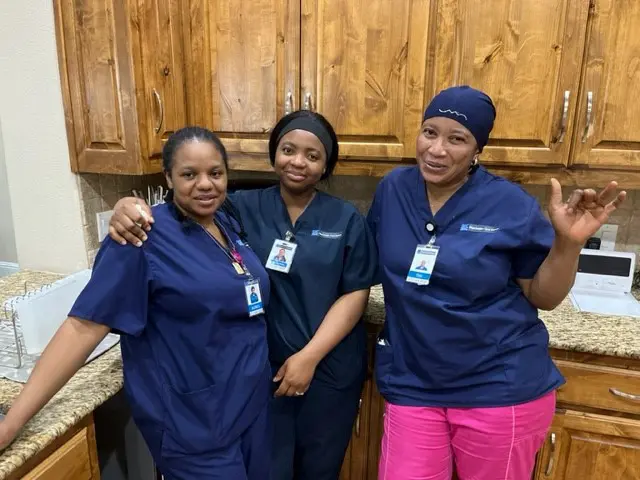
There’s no such thing as a typical day at Cambridge Caregivers. Every day brings new and sometimes unexpected challenges. Most days, that means providing hands-on assistance with daily activities. Some days, it means pivoting at a moment’s notice.
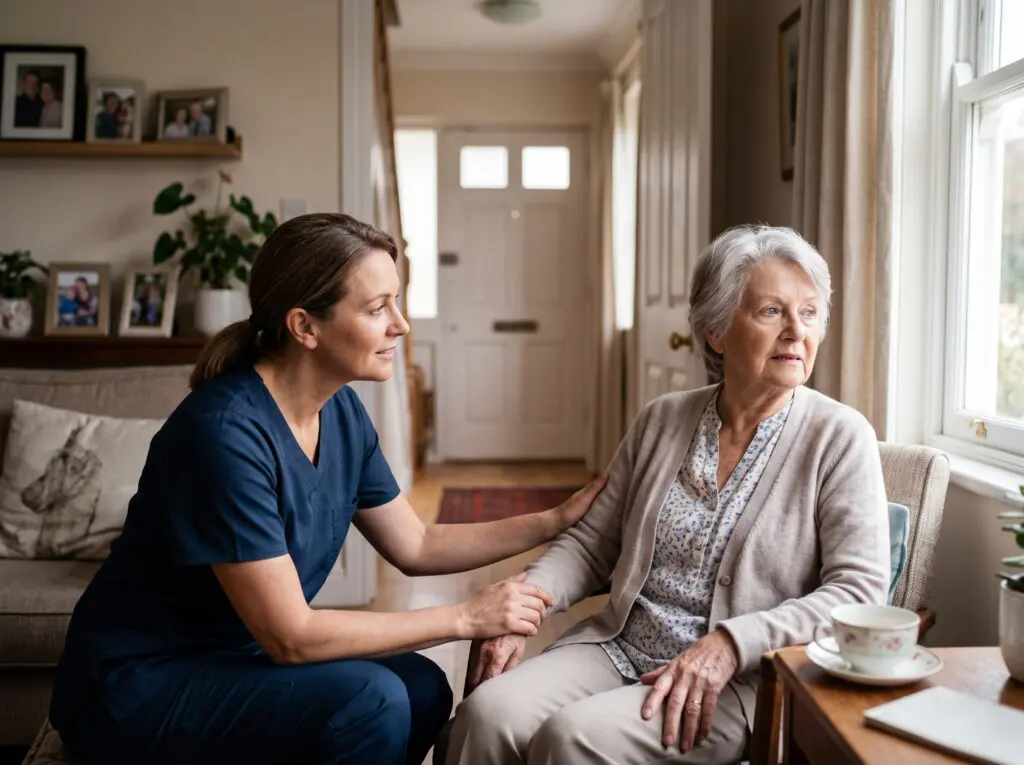
It’s a common scenario: Mom has been diagnosed with brain change, but she’s still managing surprisingly well at home. She gets dressed each morning, fixes herself breakfast and enjoys her favorite television programs.

Most older adults would prefer to “age in place” — that is, remain in their own homes and communities as they grow older. Yet far fewer have taken concrete steps to make that possible.
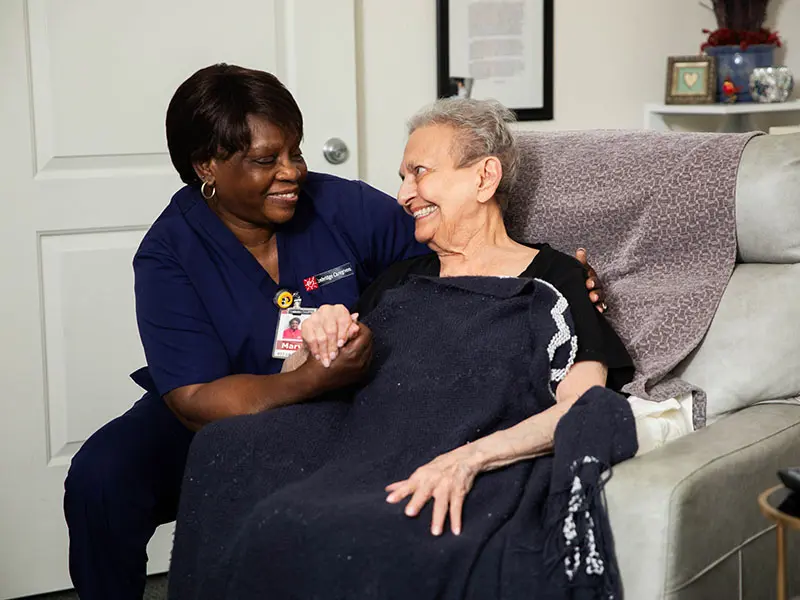
Hiring a caregiver privately may cost less upfront, but working with a reputable agency can provide important safeguards and support—including caregiver background screening, training, backup coverage, continuity of care, workers comp, stability and ongoing oversight.

When an aging loved one begins to need help at home, conflict often follows. Family members all want the best for Mom or Dad, but they may disagree over what that looks like.
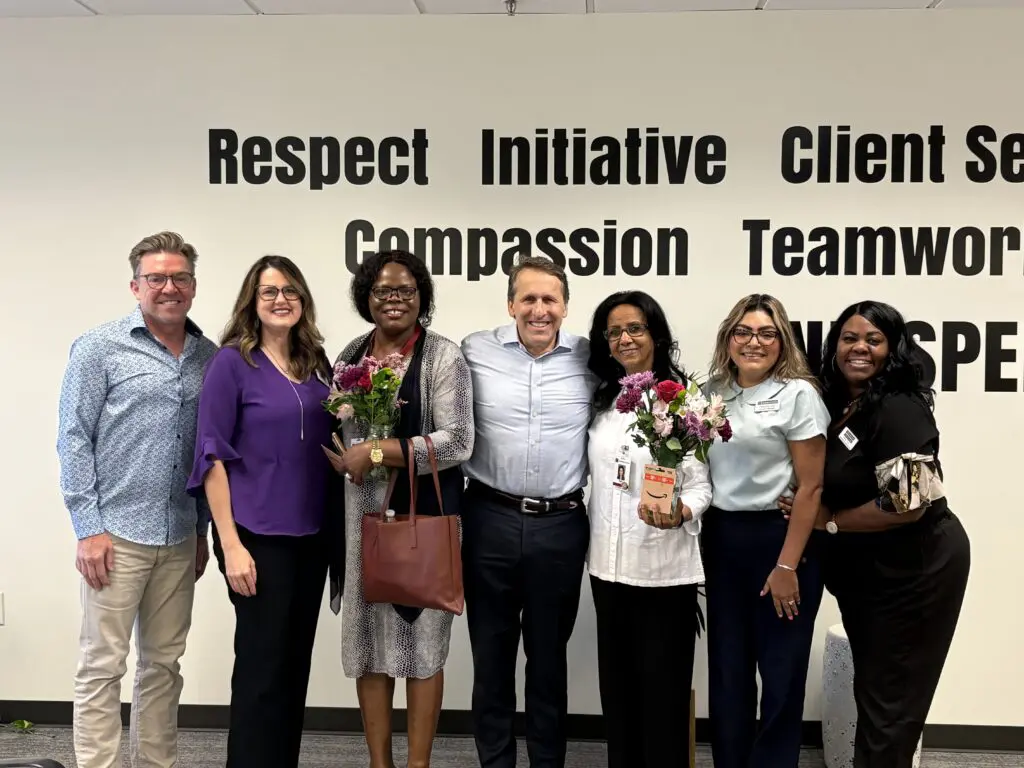
There’s no better way to learn than by example. That’s why we featured some of our best caregivers at a recent Cambridge Caregivers Town Hall, with a panel discussion moderated by Chief Operating Officer Ernie Cote.
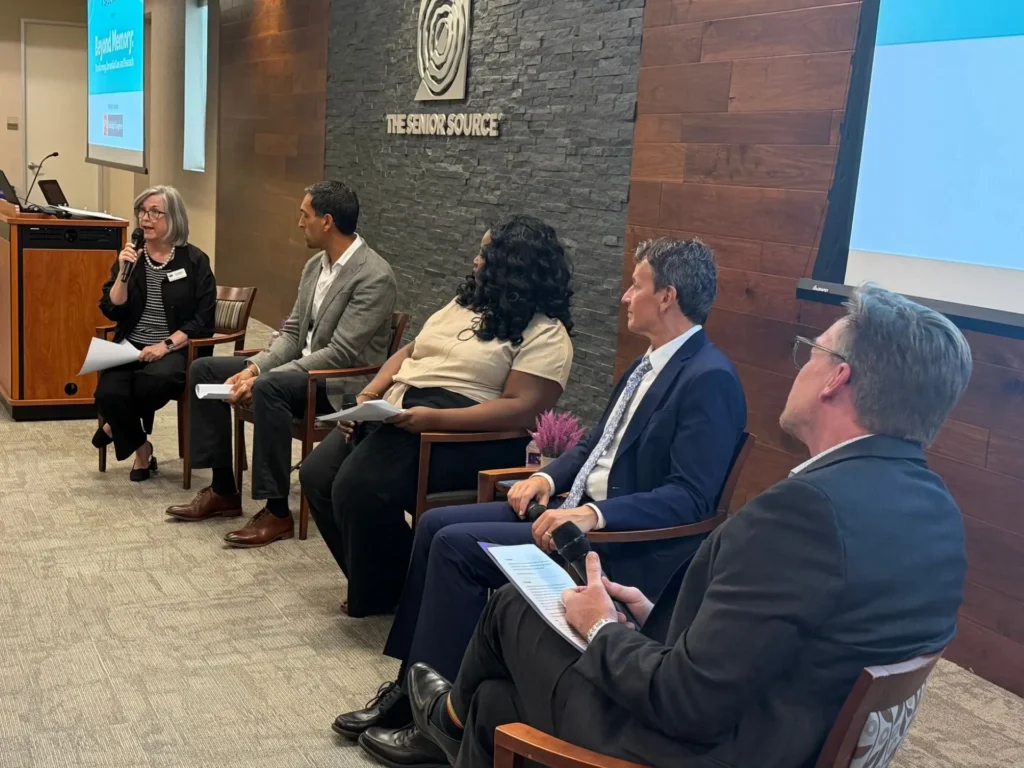
For many families, caring for a loved one with Alzheimer’s or dementia can feel overwhelming. The team at Cambridge Caregivers sees those challenges every day.
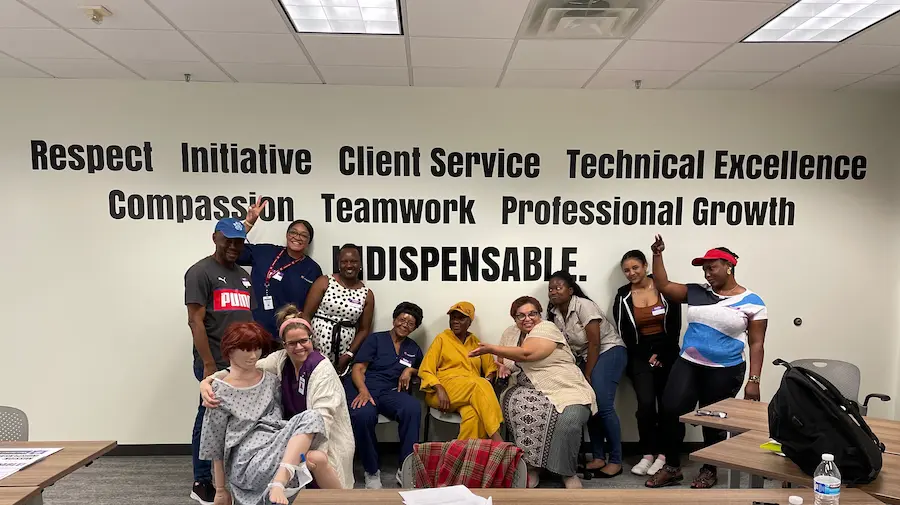
When families begin searching for in-home care, they often focus on experience, training, background checks, and qualifications. Those are all important factors when choosing a home care provider. But there is another component of quality care that is often overlooked: caregiver well-being.

For those who care for a client or loved one living with brain change, the hardest part of the day often begins just as the sun goes down.

Caring for veterans is a team effort at Cambridge Caregivers. And for some members of our team, that work brings back memories of veterans in their own families.

Triple-digit temperatures have become an unwelcome part of summer across Texas. While the heat is uncomfortable for everyone, it poses particular risks for older adults, who are more vulnerable to dehydration, heat exhaustion and heat stroke.
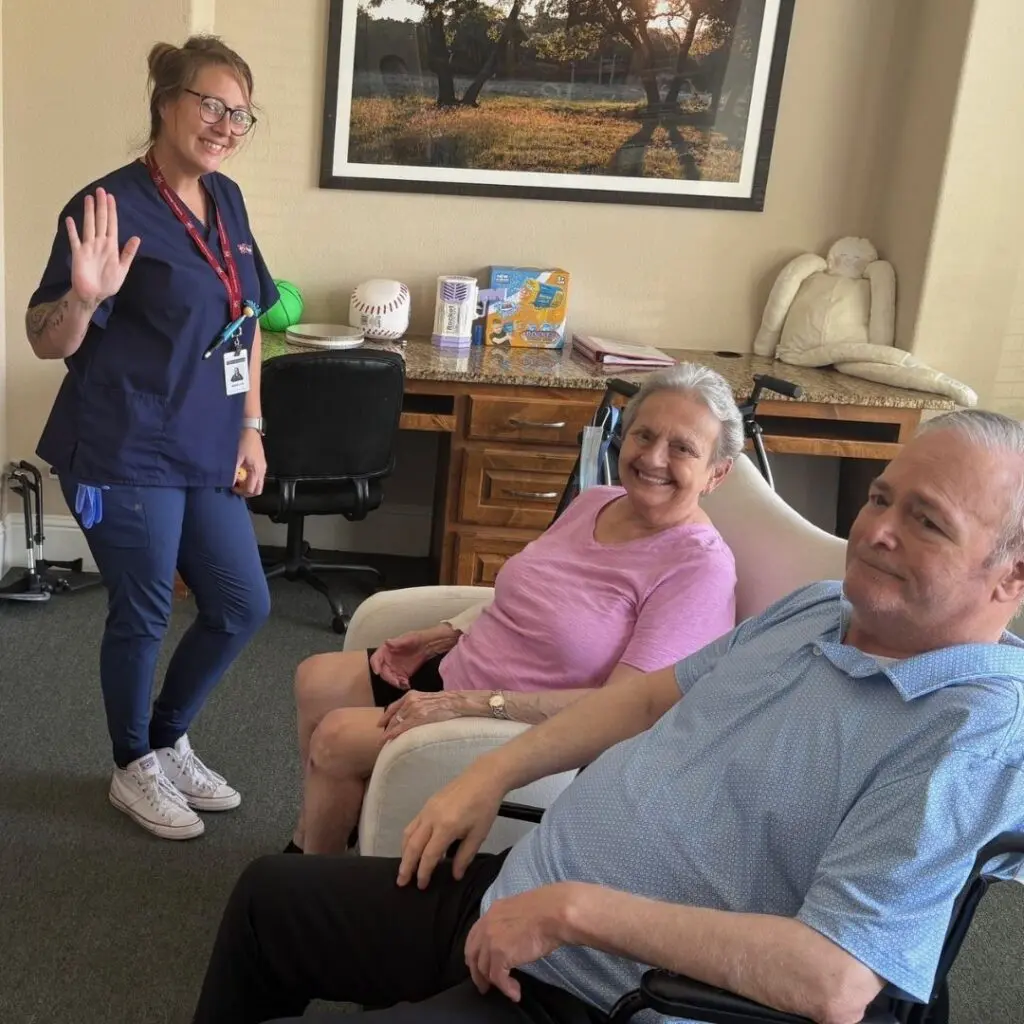
When families begin exploring in-home care, they often focus on practical questions: What services are available? How many hours of care do we need? What does it cost?

Sometimes, providing the right care means helping with the routines of daily life. And sometimes, life changes with a phone call.
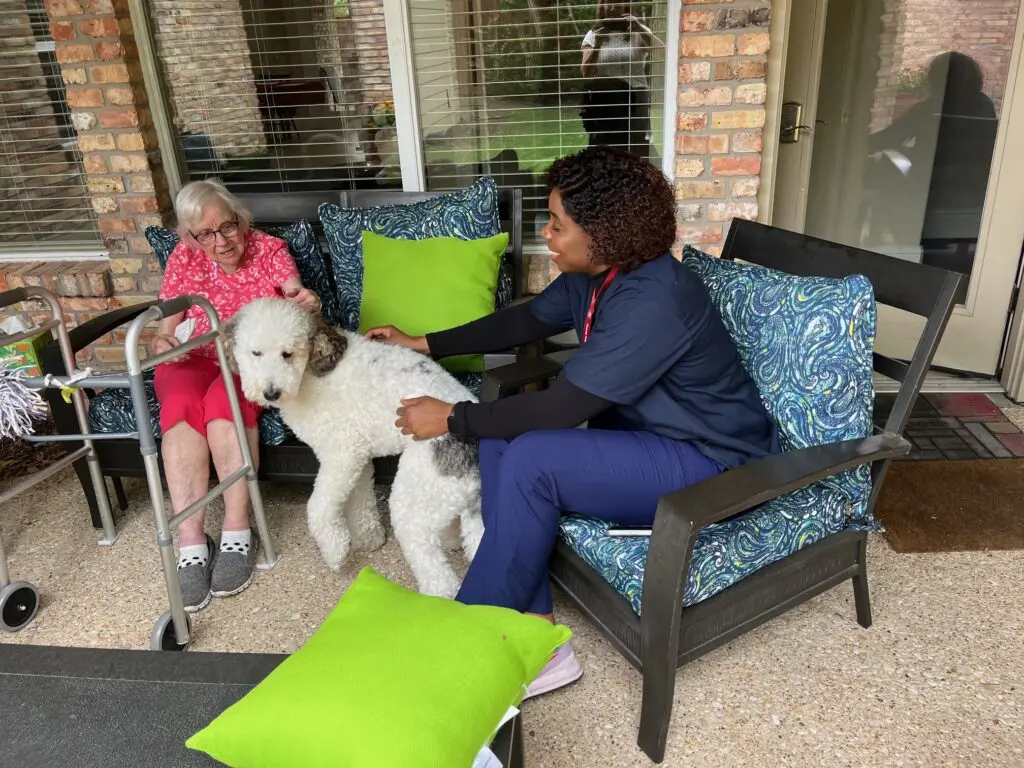
When a Cambridge Caregivers team member arrives at a client’s door, the family needs to feel confident about the person walking in.

Cambridge Caregivers’ team members help older adults remain safe and independent at home. But concierge-level care goes beyond helping with daily tasks. It means knowing each client well enough to recognize when something isn’t right—and taking action.

When a loved one’s health begins to decline, families often are not sure what support is available or when to ask for help. Hospice is frequently misunderstood, which can cause families to delay valuable resources that improve comfort, safety, and quality of life.