

Caregiver Burnout and Senior Care
Why Supporting Caregivers Leads to Better Care
When families begin searching for in-home care, they often focus on experience, training, background checks, and qualifications. Those are all important factors when choosing a home care provider. But there is another component of quality care that is often overlooked: caregiver well-being.
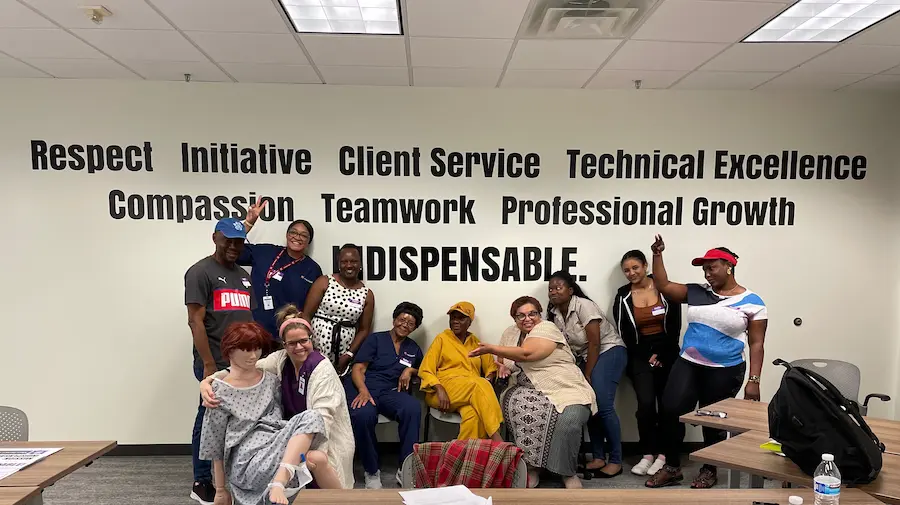
At Cambridge Caregivers, we believe exceptional care requires more than professional skills alone. It requires caregivers who are supported, educated, and equipped to manage the emotional, mental, and physical demands of caring for others. That commitment is why ongoing education remains a cornerstone of our approach, including recent wellness training led by counselor, speaker, and wellness educator Dr. Tonya, whose message was simple but powerful: rest is not a luxury. It is an essential part of caring for others well.
The Human Side of Caregiving
Caring for an older adult is deeply meaningful work, but it can also come with unique challenges. Whether supporting someone living with dementia or other forms of brain change, helping a client recover after hospitalization, or assisting with activities of daily living, caregivers bring patience, attention, and compassion to every interaction. Without proper support and recovery, even the most dedicated caregiver can experience stress, fatigue, and burnout.
Why Caregiver Wellness Matters
During her training session with our team, Dr. Tonya discussed how many helping professionals become so accustomed to caring for others that they may not recognize when their own needs are being neglected. Over time, ongoing stress can affect focus, emotional resilience, communication, and overall well-being.
Research continues to show that adequate rest and recovery support:
- Better decision-making
- Increased focus and attention
- Improved patience and empathy
- Stronger emotional resilience
- More effective stress management
- Better physical health
- Enhanced safety and reduced risk of errors
These qualities directly impact the caregiving experience. A supported caregiver is better prepared to notice changes, communicate clearly, and provide steady, compassionate care, especially when a client’s needs shift because of brain change.
Recognizing the Signs of Caregiver Burnout
One of the most valuable lessons from the training was learning how to recognize the warning signs of burnout before they become overwhelming.
Common signs may include:
- Emotional exhaustion
- Increased irritability
- Difficulty concentrating
- Forgetfulness
- Frequent headaches or muscle tension
- Trouble sleeping
- Feeling overwhelmed by everyday responsibilities
- Reduced patience or compassion fatigue
Many caregivers continue showing up for others long after their own energy reserves have been depleted. While their dedication is admirable, sustainable caregiving requires intentional support and healthy recovery practices.
Rest Is More Than Sleep
When people think about rest, they often think about getting more sleep. While sleep is important, true restoration involves much more than simply logging enough hours at night.
Dr. Tonya emphasized that caregivers need opportunities to recharge physically, mentally, emotionally, and socially. This may include:
- Taking meaningful breaks throughout the day
- Spending time outdoors
- Establishing healthy boundaries
- Limiting information overload
- Maintaining supportive relationships
- Pursuing activities that bring joy and fulfillment
These practices help caregivers restore the energy needed to continue showing up for the people who depend on them.
The need for rest and support is not limited to professional caregivers. Families can experience the same exhaustion when care begins to feel constant or overwhelming, which is why recognizing caregiver fatigue and caregiver burnout matters. Rachel O’Brien, Community Liaison for our Fort Worth office, shares the story of a wife caring for her husband on hospice who became so exhausted that she began speaking in Spanish without realizing it, showing how deeply fatigue can affect a family caregiver’s health.
Investing in Caregivers, Supporting Better Care
At Cambridge Caregivers, investing in caregivers ultimately benefits everyone involved in the care journey. Ongoing education extends beyond caregiving skills and safety protocols to include caregiver wellness, stress management, communication, professional development, and resilience. More often, older adults choose to age in place; the need for highly trained, compassionate caregivers continues to grow, and quality care is strongest when caregivers receive the training, support, and resources they need to thrive.
As Dr. Tonya shared during the session, “Rest doesn’t reduce your power. It restores it.” That philosophy reflects an important part of our commitment to supporting both caregivers and the individuals and families they serve every day.