

Learning From the Best
Caregivers Share Insights at Town Hall
There’s no better way to learn than by example.
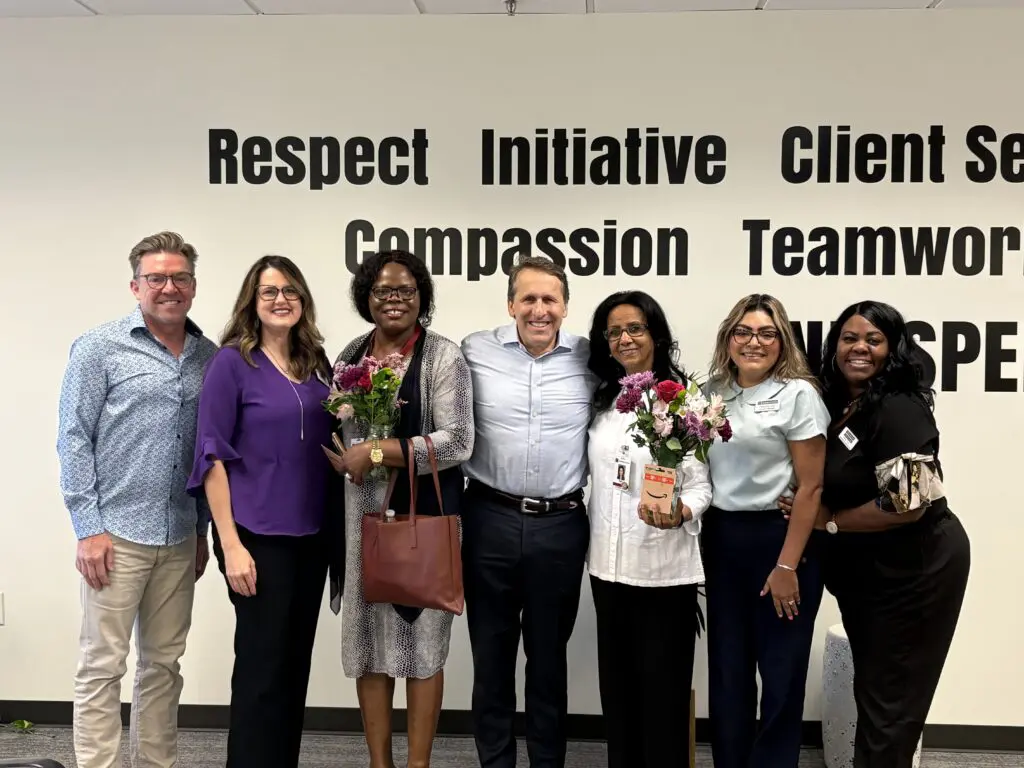
That’s why we featured some of our best caregivers at a recent Cambridge Caregivers Town Hall, with a panel discussion moderated by Chief Operating Officer Ernie Cote. The questions came directly from Cambridge caregivers through a survey conducted earlier by our HR team.
Caregivers Ngozi and Fifi shared insights on how they provide the best possible care for their clients. Also weighing in were Christina Solis, Caregiver Manager, and Mona Duty, Employee Services Specialist. Christina and Mona both served as caregivers before moving into their current roles.
Listen to their words, and you’ll get a glimpse of what makes our caregivers so indispensable. They bring skill and experience, but just as important, they bring patience, compassion and a sincere commitment to service.
Here are a few highlights from the conversation:
What do you wish every caregiver knew before walking into their first shift?
Mona: “Go in as if the client is your own mother or your father. Go in with the expectation of meeting the needs of that individual. Leave your worries at the door. Come in ready to go.”
Fifi: “When we walk into a client’s home, realize that you are entering their personal space. The client needs someone to connect and communicate with them. We have to be sympathetic and truthful, and we have to follow the care plan.”
Christina: “Getting to know your client beforehand is very important. Be very detailed. You can find that information in your care plan. You’ll also get a phone call from your marketer or scheduler with more information. And always feel free to call the office if you have questions.”
Many caregivers work with clients experiencing brain change, confusion or memory loss. What approaches help you build trust and reduce anxiety?
Mona: “Come in with a smile. Greet them with your name and ask what they like to be called. Some clients may have a nickname or family name they love. That helps build a connection and a bond with the client.”
Ngozi: “Be calm and have empathy. When you enter the home, read the home. Be very intentional. Look around. For example, if you see a family or wedding photograph, ask the client about it. Invite them to share the story behind it. Whatever you see, make use of it. Family pictures can be a tool to relieve anxiety.”
Caregivers are sometimes caught between the differing care priorities of the client and other family members. How do you navigate difficult family dynamics?
Fifi: “I try to be very professional. I listen carefully, communicate clearly and always put the client’s interest at the center of the situation. If there is a serious issue, I ask for help.”
Christina: “Use your resources. Call our office and seek advice. Talk to the family, but don’t try to involve the client in the conflict. Try to make it easier for the family to know that you’re there for the client. Be an advocate for your client.”
What do you do when a client resists bathing, meals or other important activities? How do you encourage cooperation without creating conflict?
Fifi: “If the client is refusing, there is always a reason. Try to find out what the reason is. They may be tired. They may have had a bad night. Take your time. Be patient and professional.”
Christina: “Redirection is your number one go-to. Also, maybe a little bit of a bribe. You might say, ‘We can go have a burger and a shake later. Let’s take a shower, get dressed and get ready for the day, and then we can go have some lunch.’”
Ngozi: “Many clients resist bathing because they are frightened of falling. Tell them, ‘I know what I’m doing. Trust me. I’m not going to let you fall.’ You have to be confident in your skills. Clients see that and feel that.”
If you could give one piece of advice to every caregiver in the company, what would it be?
Fifi: “Be honest, trustworthy and patient, and show love. Being trustworthy is the main thing.”
Mona: “Everything you do, do it with a smile and compassion. Clients need that warmth, that companionship, that compassion. A smile brightens up the day for everyone.”
Christina: “Take advantage of the training programs offered by Cambridge Caregivers. You will learn so much. And call the office staff if you need any help. We’re here for you.”
Ngozi: “Take care of yourself spiritually, emotionally, psychologically and socially. Be patient in what you do. Be real. Be yourself. Provide patience, compassion and love.”
In addition to the caregivers’ insights, the Town Hall highlighted other ways the company supports caregivers.
Human Resources Director Paige Boyett outlined updates in benefits, professional development and other resources. Training has been a particular focus, with more than 40 training events held across Cambridge locations over the past year.
“Our goal is to make training more accessible, engaging and consistent across all of our locations,” Paige said.
CEO Adam Lampert also reviewed Cambridge’s compensation and bonus programs, highlighting incentives that reward caregivers for their commitment and performance. Then he reiterated his key message: Cambridge’s caregivers are the heart of the company.
“I’m very proud of our team,” Adam said. “We are simply the very best at what we do, and we’re the best at what we do because of our team.”
One caregiver’s family member later watched the Town Hall with her mother and wrote an email expressing her appreciation to Adam Lampert: “It made me proud that my mother works somewhere people can speak that honestly and thoughtfully,” she said. “Thank you for creating a space where these conversations happen. It meant a lot to watch.”