

Support for the Hero’s Journey
How Cambridge Caregivers Helps Caregivers Build Strong Support Systems
Caregivers are heroes. Whether they’re family caregivers or professionals, they show up every day with compassion, patience and dedication, often during life’s most difficult moments. At Cambridge Caregivers, they’re at the heart of our mission of making lives better.
But even heroes weren’t meant to go it alone.
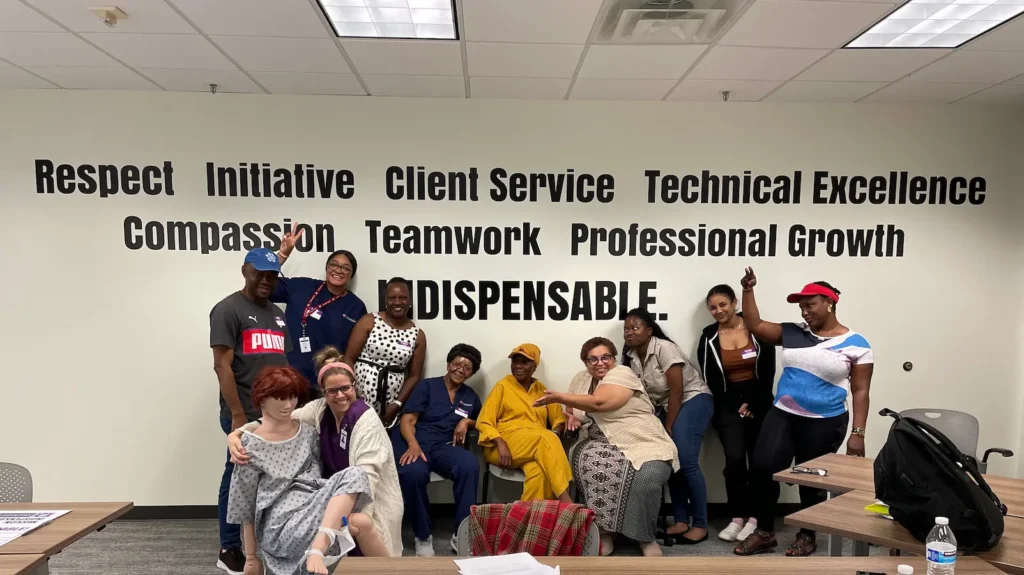
That’s the message Dr. Tonya Cunningham brings to Cambridge Caregivers every quarter through professional development sessions that support the people who spend their careers supporting others. This year’s series, focused on the “Hero’s Journey,” explores the challenges, growth and renewal that come with caregiving.
“Every hero needs support,” Dr. Tonya told caregivers during the most recent session. “No one succeeds in isolation. Gathering support is not a weakness. It’s part of the journey.”
The Science Behind Connection
Dr. Tonya’s message is grounded in neuroscience. Research shows that social connection lowers stress hormones, improves emotional regulation and builds resilience. Isolation does the opposite, activating the brain’s threat response and making it harder to think clearly and cope with challenges.
“We were not created to be alone,” she said.
She pointed to studies showing that infants who receive nurturing human interaction thrive, illustrating that our need for connection begins at birth and continues throughout our lives.
“The truth we don’t talk about,” Dr. Tonya said, “is that many people are silently struggling alone.”
One Mission, Many Roles
Caregiving takes a team. Some Cambridge employees provide hands-on care in clients’ homes. Others coordinate schedules, communicate with families and support caregivers from the office. Their responsibilities differ, but their mission is the same.
“We all have the same mission,” Dr. Tonya said. “We just carry it out in different ways.”
She noted that communication and respect across roles ultimately benefit everyone, especially the clients they serve.
Dr. Tonya also reminded caregivers that asking for support isn’t a sign of weakness. It’s something she practices herself. She shared how, during one client session, she suddenly smelled smoke and feared her house was on fire. After firefighters determined the smoke was coming from a neighboring property, the immediate danger had passed, but the experience left her shaken.
Instead of trying to process it alone, she called someone she trusted.
“I needed support in that moment,” she said. “We sometimes feel like we have to do everything on our own. Strong doesn’t mean solo.”
Trying to shoulder every burden alone can contribute to burnout, compassion fatigue and emotional exhaustion. Reaching out to a friend, coworker or mentor helps restore perspective and resilience.
Building Your Team
Dr. Tonya encouraged caregivers to build three kinds of relationships:
Allies provide emotional support. They listen without judgment, validate experiences and remind us we’re not alone.
Mentors offer wisdom, guidance and perspective. They’ve traveled the road before and help others grow.
Sidekicks are the people who walk beside us every day, helping accomplish tasks while offering encouragement.
“We were never meant to do this alone,” she said.
She acknowledged that building support isn’t always easy. Pride, trust issues and fear of burdening others often prevent people from asking for help. Recalling a time when financial hardship left her without enough food, Dr. Tonya admitted she chose to go hungry rather than ask for help. Looking back, she recognizes that pride kept her isolated.
Today, her advice is simple:
“Lean into your team. Reach out. Call. Communicate your needs.”
Investing in Caregivers
Cambridge Caregivers regularly provides professional development sessions like these because caring for others requires caregivers to care for themselves as well.
“Providing excellent, concierge-level care begins with caring for our caregivers,” said Christina Solis, Caregiver Manager at Cambridge Caregivers. “Dr. Tonya’s sessions give our team practical tools for managing stress, building healthy support systems and making their own well-being a priority. When caregivers feel supported, they’re better equipped to support our clients.”
As the Hero’s Journey series continues, Dr. Tonya encourages caregivers to ask themselves three questions:
- Who are your allies?
- Who are your mentors?
- Who are your sidekicks?
“We all need them,” she said. “Your strength is multiplied when you’re connected.”