

Fall Mitigation
Helping Austin Seniors Stay Safe, Healthy and Independent
We may laugh when someone takes a tumble on America’s Funniest Home Videos. But for older adults, falling is no joke.
According to the Centers for Disease Control and Prevention, falls are the leading cause of injury and injury-related death among adults 65 and older. More than one in four older adults fall each year.
A single seemingly minor fall can have life-changing consequences. Older adults are more vulnerable to serious injuries and complications that can drastically affect their mobility, confidence and overall quality of life.
A serious fall can also trigger a cascade of decline. A broken hip, head injury or hospitalization may lead to reduced mobility, loss of independence, social isolation and a greater need for long-term care.
Even if they’re not seriously injured, a fall can make an older adult fearful of falling again. That may lead them to reduce their activities and become more sedentary, which in turn leads to decreased strength and mobility and further increases the risk of future falls.
That is why fall prevention is such an important part of healthy aging. And it’s why our team members at Cambridge Caregivers are trained in mitigating falls.
“Families often call us because they’re worried about a parent living alone and falling,” said Tammy Hooker, Regional Operations Director, Austin. “They know one accident can change everything. Taking steps to mitigate falls helps older adults stay safe in the homes they love.”
Why Are Seniors More Vulnerable to Falls?
Several age-related changes increase a senior’s risk of falling. Mobility challenges are common as people age. Arthritis can make movement painful and stiff. Loss of muscle strength can make it harder to stand up from a chair, climb stairs or recover from a stumble. Coordination and reaction times often slow as well.
Balance may become compromised due to age-related changes or neurological conditions. Medications can affect stability. Even a brief moment of dizziness can result in a dangerous fall.
Vision loss is another important factor. Difficulty seeing steps, thresholds, cords, or other obstacles can increase the likelihood of tripping. One surprisingly common cause of falls is tripping over a pet who’s underfoot.
Why Falls Are More Serious for Older Adults
Unfortunately, older adults are also more susceptible to serious injuries when they do fall. Bone loss makes fractures more likely; healing often takes longer; and recovery is more complicated.
“Falls usually aren’t caused by just one thing,” said Gary Hooker, Regional Development Director, Austin. “It’s often a combination of factors such as reduced strength, poor lighting, medication side effects or hazards around the home. The good news is that many of those risks can be addressed.”
Practical Ways to Reduce Fall Risks at Home
Families and caregivers can take several simple but effective steps to make a home safer for an older loved one.
Remove Fall Hazards:
- Remove or secure loose throw rugs.
- Keep walkways clear of clutter.
- Secure or relocate electrical cords.
- Arrange furniture to create clear walking paths.
- Place pets in a crate or another area at night.
- Clean up spills promptly.
Improve Lighting:
- Add brighter lighting in hallways, bedrooms and bathrooms.
- Install nightlights in key areas.
- Ensure stairways are well illuminated.
- Place lamps within easy reach of beds and chairs.
Add Safety Features:
- Install grab bars near toilets and inside showers and tubs.
- Use non-slip mats in bathrooms.
- Add raised toilet seats or shower chairs if appropriate.
Encourage Physical Activity:
- Activities that improve strength and balance can help reduce fall risk.
- Walking, stretching and physician-approved exercise programs boost stability and confidence.
Review Medications:
- Some medications—including over-the-counter meds—can cause dizziness, drowsiness or balance problems.
- Encourage regular medication reviews with a physician or pharmacist.
Schedule Regular Vision and Hearing Exams:
- Updated eyeglass prescriptions and treatment of hearing issues can help seniors better navigate their surroundings.
How Caregivers Help Mitigate Falls
At Cambridge Caregivers, fall mitigation is an important part of our caregiver training.
When caregivers enter a client’s home, they observe the environment for potential hazards that could increase fall risk. They work closely with families to identify concerns and recommend practical changes that can improve safety and help older adults remain independent at home.
Caregivers are also trained to recognize signs that an older adult may be becoming more vulnerable to falls. Changes in balance, difficulty standing, increased reliance on furniture for support or signs of weakness can all signal the need for additional assistance.
“Often, our caregivers notice subtle changes before a family member does because they’re there day after day,” Tammy Hooker said. “That extra set of eyes can help families address concerns before they become emergencies.”
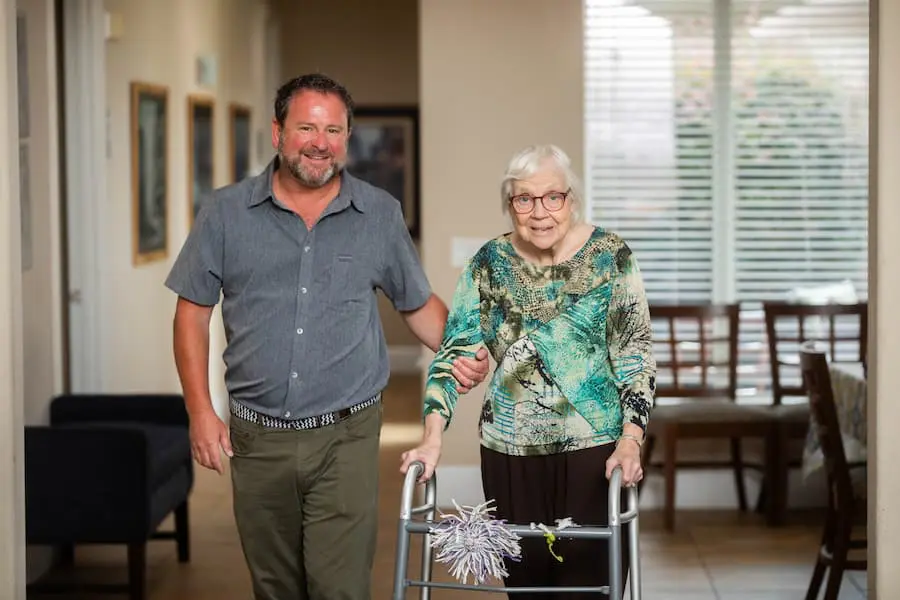
In addition, caregivers are trained in techniques to assist clients safely with mobility challenges. They use proper transfer techniques to help a client move safely from a bed to a wheelchair, from a chair to a standing position, or in and out of a vehicle.
“Our caregivers know how to preserve the client’s dignity and independence when providing this assistance,” said Gary Hooker. “Our goal is never to take over. It’s to provide the right amount of support so clients can remain as independent as possible while staying safe.”
Professional caregivers can also assist with daily activities that may pose an extra fall risk, such as bathing, toileting, dressing, grooming, meal preparation and running errands.
“Having a trained caregiver in the home provides peace of mind,” said Tammy Hooker. “By providing the right assistance, our caregivers can help mitigate falls while allowing seniors to continue living comfortably in familiar surroundings.”
When falls become a concern, asking the right questions can help families make confident decisions. Families in Austin can turn to the Cambridge Caregivers Austin team for guidance on what to consider when evaluating in-home care and the support that can help a loved one remain safe at home. To learn more, call our Austin office at (512) 883-0037.