

When Care Extends Home
Supporting Jamaica After the Storm
It’s hard to comprehend the terror Paula must have felt when Hurricane Melissa tore across her home country of Jamaica in late October.
Paula, a caregiver at Manchester Care Home – Queens Ferry, has many family members living in the western part of Jamaica, among the areas most severely affected. As the storm intensified, communication went silent. Phone calls wouldn’t go through. Messages went unanswered.
“It was frightening,” Paula said. “I couldn’t get in touch with them. I was hearing all this terrible news but didn’t know what was happening with my own family.”
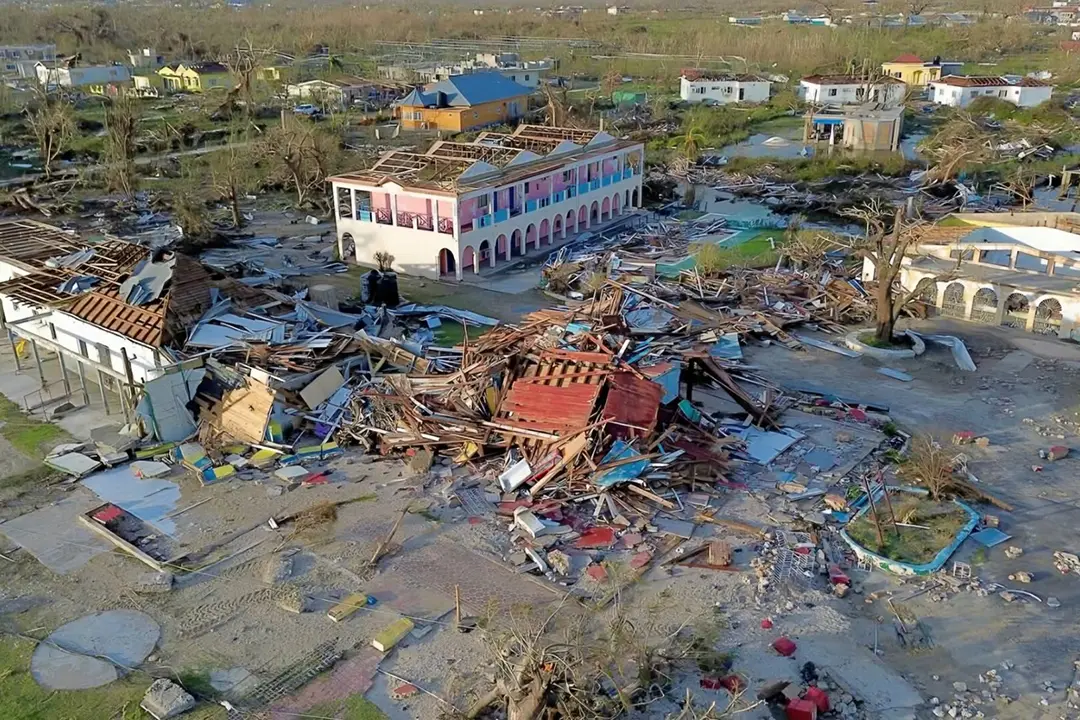
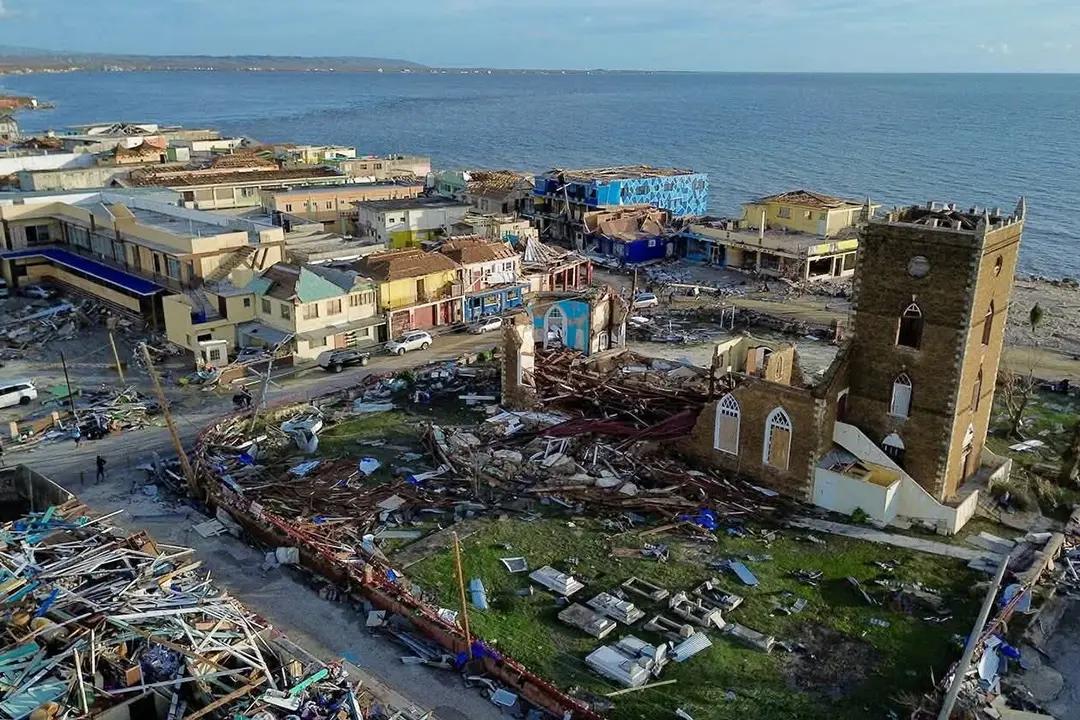
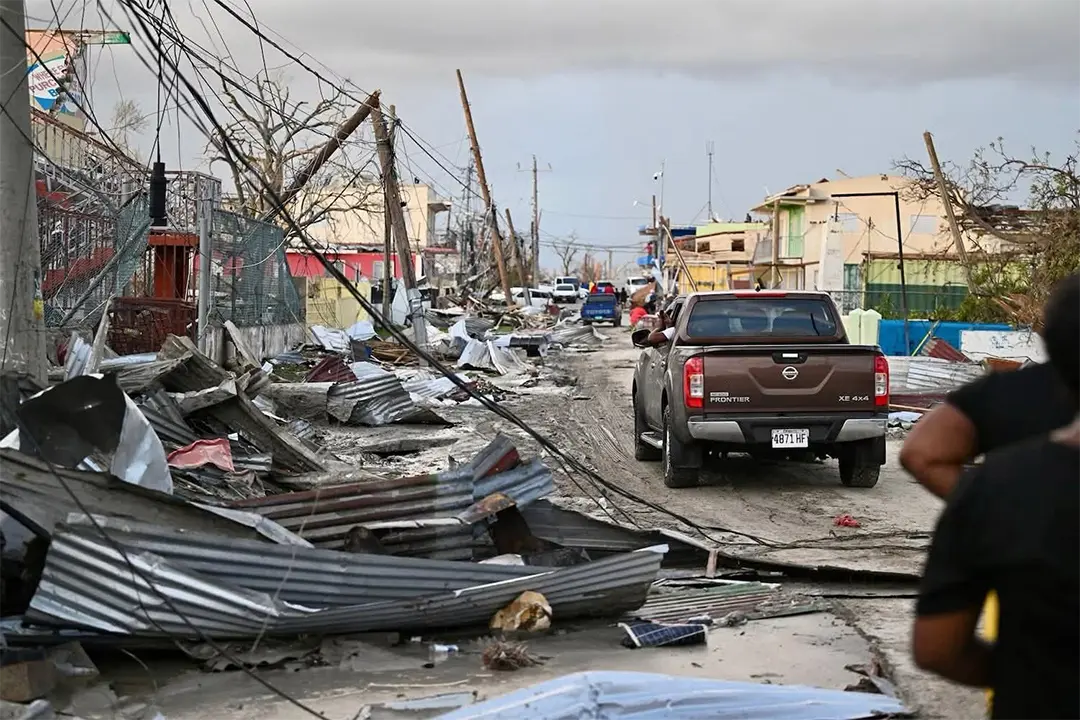
Hurricane Melissa would become one of the worst storms ever recorded in the Atlantic, a Category 5 hurricane that devastated Jamaica and parts of Cuba, the Dominican Republic, and Haiti. At one point, wind gusts exceeded 250 miles per hour. The storm killed more than 100 people across the region. Entire communities were left without power, water, or basic infrastructure—conditions expected to last six months or longer.
Thankfully, Paula’s family members were uninjured, but she understood the devastation firsthand. She lived through Hurricane Gilbert in 1988, previously the strongest storm to hit the island.
Her son, who lives in Jamaica, told her that the sound of the wind was like “demons wailing.” Walls shook. Even though many Jamaican homes are constructed with concrete, the onslaught of wind and water caused some to collapse.
“My son doesn’t scare easily, but he was terrified,” Paula said. “I can only imagine what people went through this time.”
A Simple Request—and an Immediate Yes
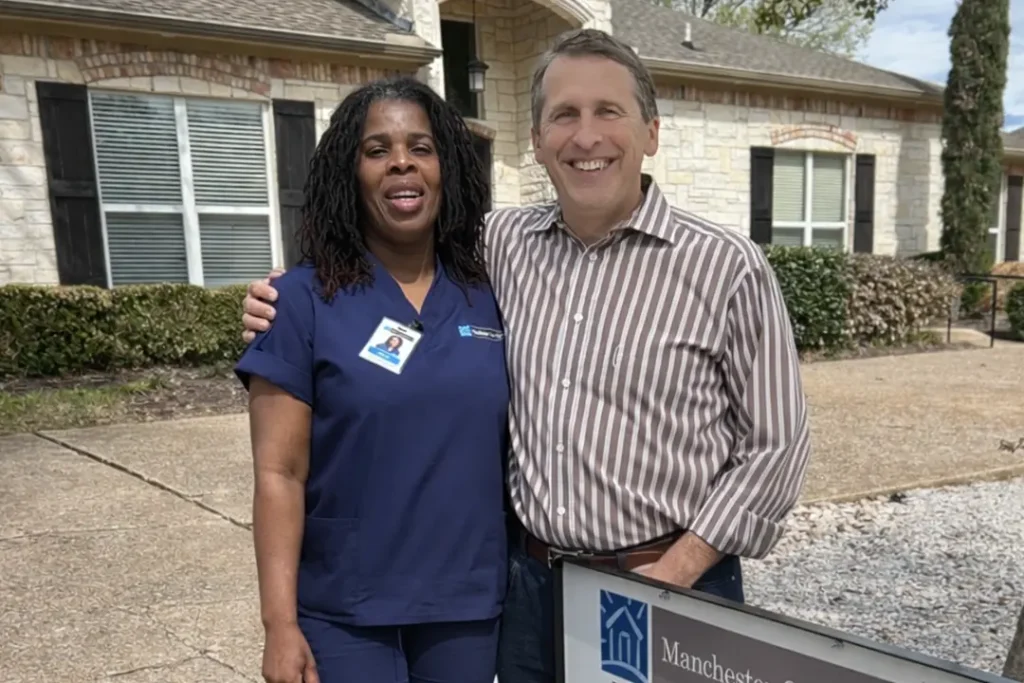
Paula has been part of the Manchester Living family since 2023. Caregiving is not just a job for Paula—it’s a career.
“I’ve always been a caring person,” she said. “Growing up in Jamaica, my mother would cook meals for the elderly in our community, and it was my job to deliver the food. I also helped my grandmother when she took ill. When I give, I give of myself. That’s just who I am.”
When Paula realized how dire the situation was for her family and others in Jamaica—no electricity, no way to charge phones, no refrigeration, no light—she approached CEO Adam Lampert with a question: Would the company be willing to help fund the purchase of a generator to send to Jamaica?
Adam didn’t hesitate.
“When Paula asked, I found it easy to say yes,” he said. “She’s a fantastic team member. She shows up every day with compassion, professionalism, and a genuine heart for the people she serves. When she shared information about the devastation in Jamaica, we were glad to be able to help. This was a chance to support her in helping people who truly need it.”
Adam agreed to cover the cost of purchasing a generator that met Jamaica’s emergency relief specifications. Paula took the lead in researching requirements and logistics, ensuring the generator would qualify for duty-free import under the Jamaican government’s disaster relief provisions. A solar-powered unit was selected specifically for safety and practicality. Paula also obtained a special barrel to ship the generator; the Jamaican government is allowing essential items to bypass customs when shipped via these containers.
Why Generators Matter
In the aftermath of Hurricane Melissa, generators became lifelines across Jamaica. With widespread power outages, generators have allowed families to restore basic necessities—lighting, refrigeration for food and medication, and communication with loved ones. They have also supported hospitals, clinics, and shelters, helping emergency services continue operating during prolonged outages.
Generators have played a critical role in relief efforts as well, powering water treatment equipment, food distribution sites, and debris removal operations. Recognizing their importance, the Government of Jamaica waived customs duty and GCT on relief supplies, including generators, to speed recovery.
“This wasn’t just about helping one person or one family,” Adam said. “In places like Jamaica after a storm like this, I’ve learned that generators like this one are shared. They help neighbors charge phones, stay connected, and get vital information. One generator can support an entire community.”
For Manchester Living and Cambridge Caregivers, this moment reflects who we are as a company. Caregiving doesn’t stop at the doors of our care homes or when a shift ends. It extends to our colleagues, their families, and the communities they love. We’re proud to stand with Paula—and proud to support our caregivers when they need us most. In moments of crisis, compassion matters.