

The Next Step
Your visit over the holidays raised concerns about your loved one. What’s next?
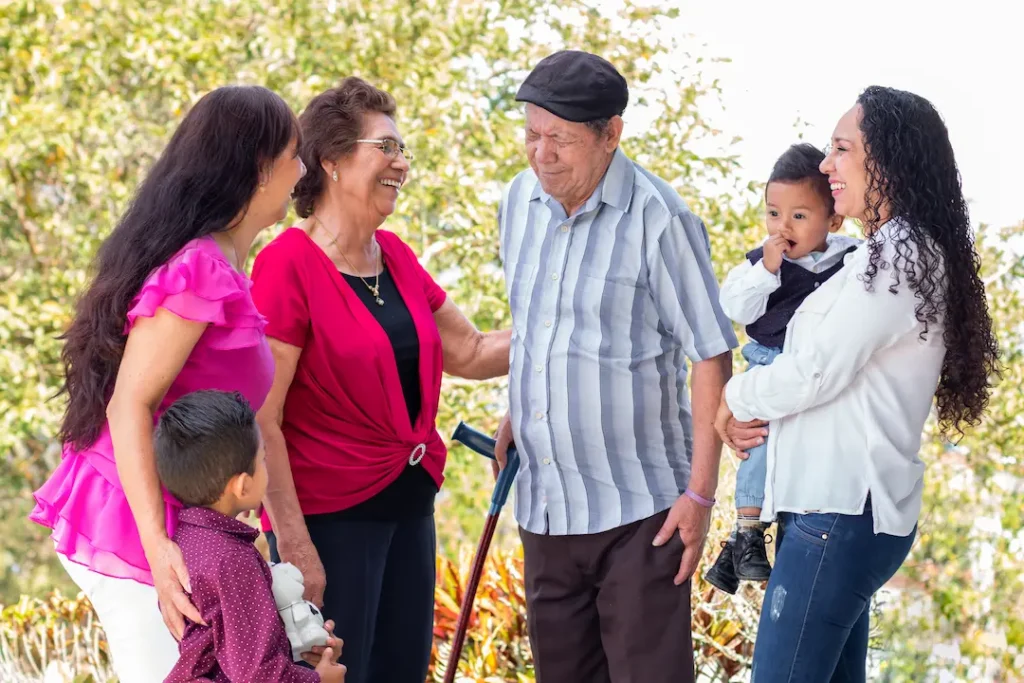
For many families, the holiday season brings cherished reunions: time around the table, shared memories and long conversations.
But once the decorations are packed away and everyone returns home, a different feeling may linger—worry.
If you visited a senior parent or loved one over the holidays, perhaps you noticed changes that were hard to ignore. Maybe Mom seemed more forgetful. Maybe Dad struggled to get around the house safely. Or maybe the house itself felt less orderly than you remembered.
January is one of the busiest months for senior living communities—and for good reason. After holiday visits, many families realize that an older loved one is no longer coping well on their own.
“The holidays can be a turning point,” said Tammy Hooker, director of Cambridge Caregivers’ Austin office. “Families spend concentrated time together, and suddenly the changes that occurred gradually over the past year become very clear.”
Signs That Independence May Be Slipping
Some changes are subtle. Others are more obvious. Together, they can paint a picture that’s hard to ignore.
Common red flags include:
- Cognitive changes, such as increased confusion, trouble following conversations, repeating questions, or difficulty managing medications and finances
- Mobility challenges, including unsteady walking, trouble getting in and out of chairs or bed, frequent near-falls, or avoiding stairs
- Changes in personal care, like neglecting bathing, grooming or wearing clean clothes
- Household concerns, such as expired food, skipped meals, clutter, poor lighting, or tripping hazards
- Social withdrawal, loneliness, anxiety or a noticeable loss of confidence
Sometimes, families are surprised to see these changes because their loved one have been working hard to hide them.
“Many seniors minimize what they’re struggling with,” Tammy said. “They’re afraid that admitting difficulty means losing their independence.”
More Than One Option
When concerns surface, families often jump to one conclusion: it’s time to move Mom or Dad into a senior living community.
But assisted living or another major transition doesn’t have to be the first step—and in many cases, it doesn’t need to happen right away.
“There’s a wide middle ground between living completely alone and moving out of your home,” said Gary Hooker, who co-directs the Austin office with Tammy. “That’s where in-home care can make such a meaningful difference.”
Professional in-home caregiving allows older adults to remain in familiar surroundings while receiving the support they need to stay safe and well.
Even a few visits a week from a professional caregiver can provide help with:
- Transportation to appointments, errands and social activities
- Grocery shopping and meal preparation
- Light housekeeping and laundry
- Bathing, dressing and grooming
- Companionship and social engagement
“That added layer of support often restores confidence,” Gary said. “Seniors feel safer, families feel reassured, and independence can continue much longer.”
Why Professional Care Matters
While family members and neighbors often help where they can, professional caregivers bring experience, training and consistency.
Cambridge Caregivers’ team members are W-2 employees who receive extensive initial and ongoing training through the Manchester Living Institute. They are skilled not only in assisting with daily tasks, but also in recognizing subtle changes that may signal evolving needs. They know when to step in—and when to respect a senior’s independence.
“Our caregivers know how to meet people where they are,” Tammy said. “They understand cognitive decline, mobility challenges and chronic conditions—and they provide care with respect, patience and kindness.”
That training allows caregivers to adjust support as needs change, whether that means increasing assistance, encouraging safer habits or alerting families when additional resources may be needed.
Taking the Next Step—Thoughtfully
If you’re feeling uneasy after the holidays, the most important thing you can do is not ignore that feeling.
Start with open, compassionate conversations. Share what you noticed. Listen to your loved one’s fears and wishes. Emphasize that the goal isn’t to take away independence, but to protect it. Then, explore the options.
“We’re often the first call families make when they’re just starting to think things through, and we’re glad to help,” Gary said. “You don’t need a crisis to reach out. We’re happy to talk, answer questions and help families understand what support might look like.”
January can feel heavy when concerns rise to the surface—but it can also lead to proactive, caring decisions.
“With the right support, many seniors can continue living at home safely and with dignity,” Tammy said. “That’s what we’re here to help make possible.”
To learn more about Cambridge Caregivers’ in-home services in Austin, Dallas, Fort Worth and Houston, visit www.cambridgecaregivers.com or call the Austin office at 512-547-1970.