

Continuity of Care
Why It Matters
When families begin exploring in-home care, they often focus on practical questions: What services are available? How many hours of care do we need? What does it cost?
Just as important, however, is a question many families don’t think to ask until later: Who will actually be coming through the front door each day?
For older adults, especially those living with brain change, familiar faces and predictable routines can make an enormous difference. Seeing the same caregiver day after day builds trust, reduces anxiety and helps that person become part of the household’s daily routine.
That’s why Cambridge Caregivers prioritizes continuity of care.
“Our clients invite us into the most personal parts of their lives and their homes,” said Gary Hooker, Cambridge Caregivers’ Regional Development Director – Austin. “That trust grows over time. When caregivers consistently spend time with the same client, they come to understand that person’s routines, preferences and personality. That’s when care becomes truly personalized.”
Caregivers who have been with clients for weeks or months know whether they like coffee before breakfast or tea afterward. They know favorite television shows, how medications fit into the daily routine and which topics spark happy memories. They recognize subtle changes in mood, appetite, mobility or energy that someone new might overlook.
Those details matter. When caregivers become familiar with a client’s normal routine, they’re often among the first to notice when something isn’t quite right. As this recent experience demonstrates, knowing a client’s normal patterns can help a caregiver recognize when something has changed.
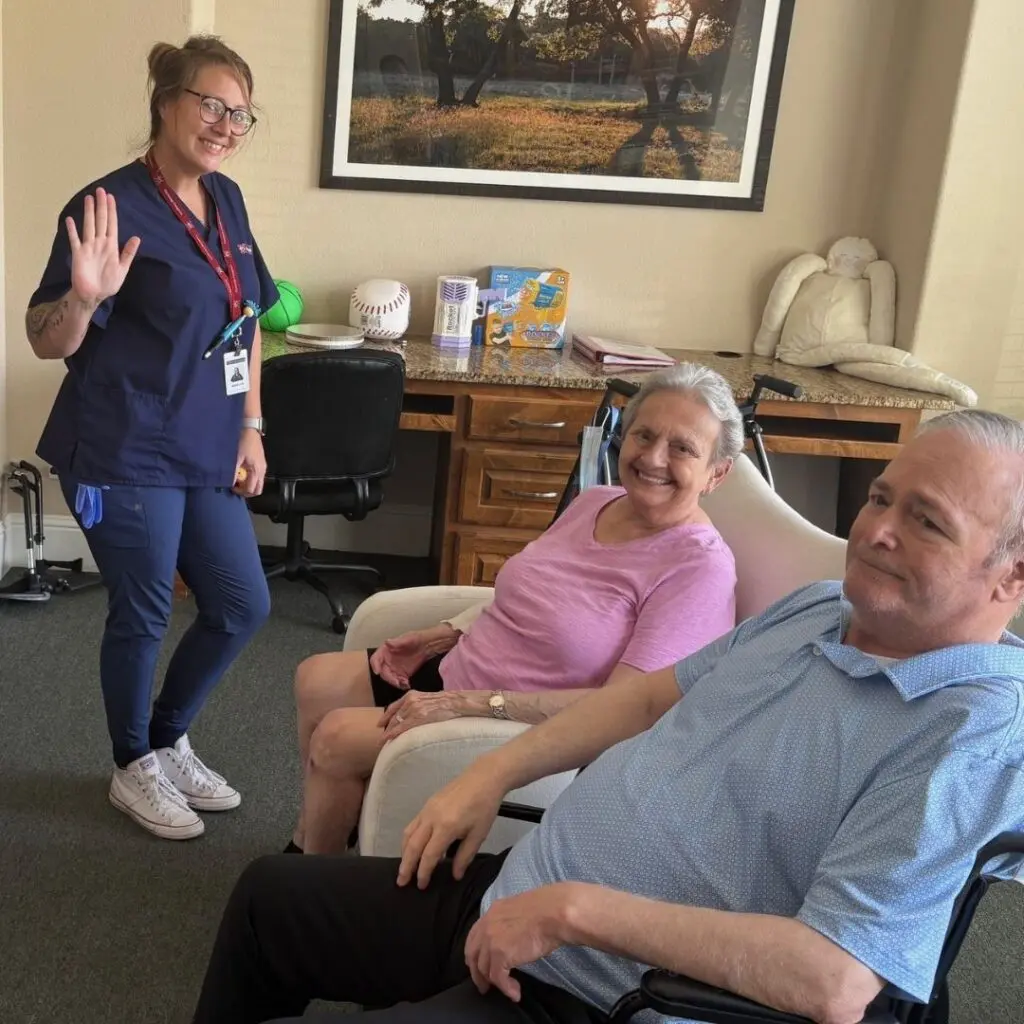
Just as importantly, familiarity creates comfort. Clients often come to think of their caregivers as trusted companions who share daily conversations, celebrate milestones and provide reassurance simply by being there. Families, too, may come to see caregivers as an extension of the family, inviting them to birthday celebrations and other gatherings.
Continuity becomes even more valuable for people living with brain change. Memory loss and confusion can make new situations stressful. Repeatedly introducing unfamiliar caregivers may increase anxiety and confusion. A familiar caregiver, on the other hand, provides stability in a world that may otherwise feel increasingly unpredictable.
“When someone is living with brain change, consistency isn’t just convenient — it’s reassuring,” said Tammy Hooker, Regional Operations Director – Austin. “Seeing the same caregiver, hearing the same voice and following familiar routines can help clients feel safe, calm and confident in their own homes.”
Providing consistent care requires intentional planning. Cambridge Caregivers is able to provide greater continuity because of the company’s employment model. Rather than relying primarily on independent contractors who are slotted into assignments from day to day, Cambridge hires caregivers as W-2 employees with benefits. That employment model gives office staff greater ability to build stable care teams around each client and schedule the same caregiver — or the same small group of caregivers — as consistently as possible.
The result is greater reliability for families and stronger relationships between caregivers and clients.
Of course, even the most dedicated caregiver occasionally takes a vacation, attends training or needs time off because of illness or family commitments. When that happens, Cambridge works to make the transition as seamless as possible. Office staff prepare substitute caregivers with detailed information about the client’s routines, preferences, care plan and any recent changes.
Whenever possible, substitute caregivers visit clients before they’re needed, shadowing the regular caregiver for a shift so they can step in with confidence and minimize disruption.
“When another caregiver needs to step in, we work hard to make sure that person already understands the client’s routines and knows what makes that individual comfortable,” Gary said.
Cambridge Caregivers provides practical, non-medical care in the home, including personal care, meal preparation, transportation, housekeeping and companionship.
Ultimately, continuity of care means more than keeping a schedule. It means helping clients feel secure, respected and at ease because the person walking through the front door is someone they know and trust.